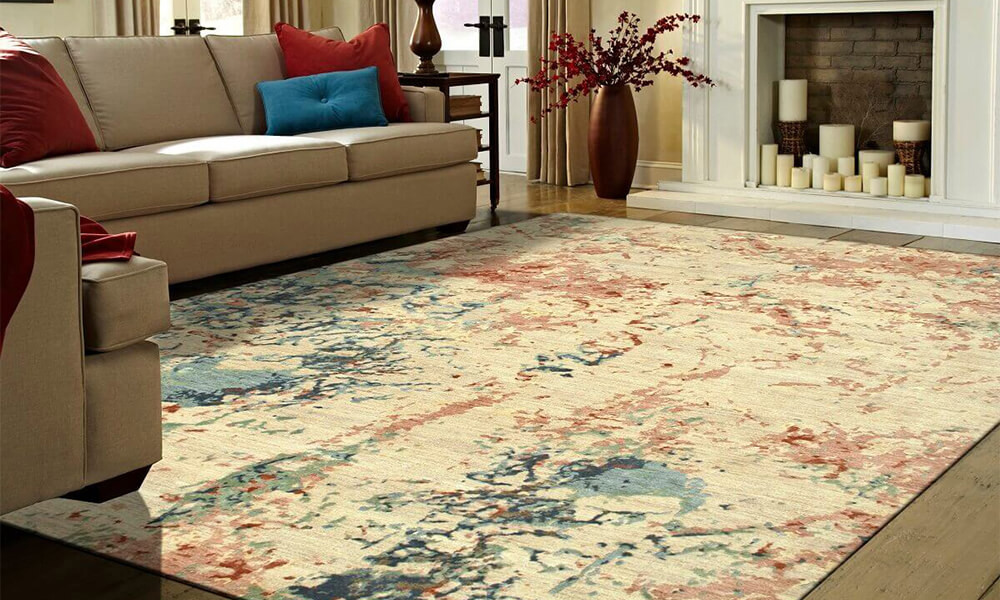
Carpets add beauty and warmth to many Boston homes, but they can also hide allergens that may affect your family’s health. Dust, pet dander, and pollen can easily settle deep into carpet fibers, making it difficult to see where the problem starts. For homeowners, knowing how allergens work and how to reduce them is key to creating a cleaner living space.
Common Carpet Allergens in Boston Homes
Boston homeowners face a mix of indoor and outdoor allergens that often settle in carpets. Some of the most common include:
- Dust mites: Microscopic bugs that thrive in warm, moist fibers and trigger sneezing or asthma symptoms.
- Pet dander: Tiny flakes of skin from cats and dogs that stick to carpet threads.
- Pollen: Outdoor pollen that enters homes through shoes, windows, or clothing.
- Mold spores: Moisture from Boston’s humid summers can lead to mold growth in carpet padding.
- Household debris: Everyday dirt, crumbs, and clothing fibers that collect and break down indoors.
These allergens are not always easy to detect, but over time, they can build up and cause breathing issues, skin irritation, or allergy flare-ups.
Health Concerns Linked to Allergens
Carpet allergens often go unnoticed until symptoms grow worse. Families in Boston may notice:
- Frequent sneezing or coughing indoors.
- Red or itchy eyes that do not improve with time.
- Worsening of asthma or seasonal allergy reactions.
- Skin irritation when sitting or lying on carpeted areas.
Children, seniors, and individuals with existing respiratory concerns are typically the most sensitive to these hidden triggers.
How to Reduce Carpet Allergens
Boston homeowners can take smart steps to manage allergens and improve air quality indoors. Some helpful methods include:
- Vacuum often: Use a vacuum with a HEPA filter to trap fine particles that ordinary machines release back into the air.
- Steam clean: Schedule professional steam cleaning at least once or twice a year to remove deep-set debris.
- Control humidity: Use dehumidifiers in damp months to reduce mold growth in carpets.
- Remove shoes indoors: Encourage family and visitors to leave shoes at the door to keep pollen and dirt outside.
- Wash rugs and mats: Small rugs near entryways should be washed regularly to prevent the spread of outdoor allergens.
Professional Carpet Cleaning in Boston
In Boston, professional carpet cleaning services can significantly extend carpet life and improve indoor air quality by removing dust mites and mold spores. This investment is particularly beneficial for families with young children or those who suffer from allergies.
When to Consider Carpet Replacement
In some cases, carpets older than 10 years may hold allergens that routine cleaning cannot fully remove. If moisture damage, mold, or odor remains a problem, Boston homeowners may find that replacing old carpets with hardwood, tile, or low-pile alternatives is a healthier choice.
Final Thoughts
Carpets bring comfort into Boston homes, but they can also house allergens that trigger discomfort. By taking steps such as frequent vacuuming, controlling moisture, and scheduling professional cleanings, homeowners can reduce risks and enjoy healthier living spaces. Awareness and prevention remain the best ways to protect your family from hidden carpet allergens.