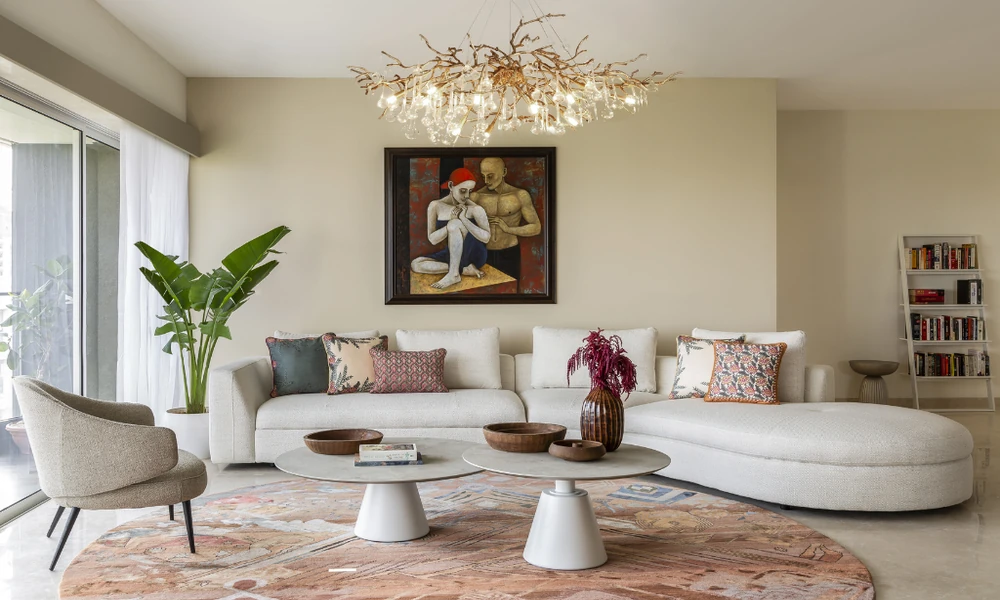
Roman columns casting shadows across marble floors. Bauhaus silhouettes meeting bespoke Italian furnishings. The world of luxury interior design has always borrowed and evolved from architecture’s grandest ideas, shaping living spaces as more than just homes but as immersive works of art.
Early Foundations of Architectural Design and Luxury Interiors
The roots of luxurious interior design are entangled with the evolution of architectural principles. In antiquity, the Greeks and Romans set the stage, designing interiors where proportion, symmetry, and harmony reigned. Their influence echoed through the Renaissance and Baroque periods, where opulent palaces like Versailles became templates for the seamless blend of architecture and lavish décor. Inside such spaces, every cornice, molding, and ceiling fresco contributed to a narrative of power and beauty.
Influence of Classical Architecture on Luxury Living
Grand columns and archways were not just structural elements. They suggested a hierarchy and flow, guiding guests from vast entryways to intimate salons. Classical principles laid the groundwork for what makes an interior “luxurious”; think high ceilings, dramatic lighting, and rooms that invite both awe and comfort in equal measure.
The Rise of Modernism and Its Impact on Luxury Interiors
As the 20th century approached, luxury found a new muse: modernism. Where earlier styles demanded ornament, the new wave called for clarity and function. The Bauhaus movement, with its call for “total architecture,” fundamentally changed high-end interiors.
Bauhaus Philosophy and the Concept of “Total Architecture”
Bauhaus designers saw no divide between the envelope of a space and its contents. Furniture, lighting, and architecture were conceived as a unified experience. This was not just a stylistic choice but a declaration that luxury could be found in simplicity, proportion, and the careful orchestration of space.
Case Study: Knoll and the Modernist Movement
Brands like Knoll exemplified this shift. Embracing Bauhaus philosophies, they partnered with architects to craft furniture that both complemented and elevated the spaces they occupied. A Knoll chair was never just a seat; it was an extension of the room’s design language.
Mid-20th Century Innovations Shaping Luxurious Interior Design
Mid-century innovators saw the potential of new materials, from molded plywood to polished steel. The result? Interiors that felt light, airy, and unmistakably contemporary, yet still deeply luxurious.
The Role of Iconic Furniture in Defining Luxury
Designers like B&B Italia and Maxalto blurred boundaries, creating signature pieces that became the focal points of elite interiors. Whether it was a Camaleonda sofa, reimagined for enhanced comfort and sustainability, or a Baccarat crystal chandelier, these items defined spaces as much as architecture itself.
Harmonizing Architecture with Interior Furnishings
True luxury is never accidental. It’s the result of a disciplined approach where architecture and interiors collaborate closely. The best examples show built-in cabinetry that mirrors wall geometry, light fixtures that echo architectural rhythms, and materials that flow without interruption from exterior to interior.
Contemporary Architectural Design Principles in Luxury Interiors
Walk into a high-end penthouse or a boutique hotel today and you’ll notice a recurring theme: space is the new luxury. Expansive rooms, abundant natural light, and a seamless transition between zones define the modern aesthetic.
Emphasis on Spatial Flow and Open Layouts
Walls come down. Sightlines open up. The boundaries between kitchen, living, and dining blur, reinforcing a sense of freedom. Architects and interior designers prioritize circulation, ensuring rooms feel connected yet distinct.
Minimalism vs. Maximalism: Balancing Luxury and Comfort
Modern luxury is not just one style. Some interiors embrace minimalism, featuring restrained palettes and uncluttered surfaces. Others are unapologetically maximalist, layering bold colors and statement pieces for opulent drama. The unifying thread? Each element is chosen with intention, reflecting the owner’s personality as much as the architect’s vision.
Sustainable Luxury: Eco-Friendly Materials and Design
Today’s luxury also means responsibility. Reclaimed woods, low-VOC finishes, and energy-efficient lighting are as coveted as Italian leathers or rare marbles. The focus on sustainability elevates the story behind every piece and finish.
The Role of Lighting and Detailing in Creating Luxurious Atmospheres
Lighting is the invisible architecture of luxury interiors. Well-designed lighting schemes sculpt mood, define texture, and highlight craftsmanship.
Importance of Texture, Color, and Finishes
Touches like hand-brushed metals, artisan ceramics, and sumptuous fabrics add visual and tactile richness. Custom millwork and one-of-a-kind finishes set elite interiors apart, offering a personal signature.
Integration of Technology and Smart Design in Modern Luxury Interiors
Luxury today also means comfort at the touch of a button. Smart homes integrate automation, climate control, and sensory lighting without compromising aesthetics.
Architectural Adaptations for Technological Comfort
Hidden speakers, wireless charging surfaces, and retractable screens allow for both convenience and clean lines. Spaces adapt, anticipating the needs of the modern dweller.
The Cultural and Regional Evolution of Luxurious Interiors
Luxury is never one-size-fits-all. From Parisian penthouses to Tokyo townhomes, regional influences bring depth and authenticity.
Local Craft Traditions and Modern Luxury Fusion
Blending global design icons with local artisan traditions creates spaces that feel grounded yet cosmopolitan. Montreal’s meuble haut de gamme Avant Scene exemplifies this, offering curated selections that marry international brands with a commitment to detail and service.
Looking Ahead: The Future of Architectural Design Principles in Luxury Interiors
As technology, sustainability, and cultural exchange continue to redefine the meaning of luxury, one constant remains: the dialogue between architecture and interior design. The future will see even greater integration, where materials, technology, and artistry converge to create spaces that are both timeless and unmistakably now.