There is nothing routine about a garage door failure, and the consequences can be far more serious than a mere inconvenience. Ignoring early signs of a malfunctioning door is how small issues snowball into hazardous, costly emergencies. Let’s break down the common myths that keep homeowners in denial, and the reality checks that signal when your broken garage door is truly crying out for more than just a quick repair.
Myth #1: A Small Dent or Crack Is Just Cosmetic
It’s easy to brush off a minor ding or hairline crack, especially if the door still opens and closes. But what seems cosmetic can be the first warning shot from a weakening system. Over time, these imperfections stress the structural integrity of the entire door. Moisture seeps in, wood swells, metal rusts, and one day, a harmless-looking dent causes the panel to buckle or jam.
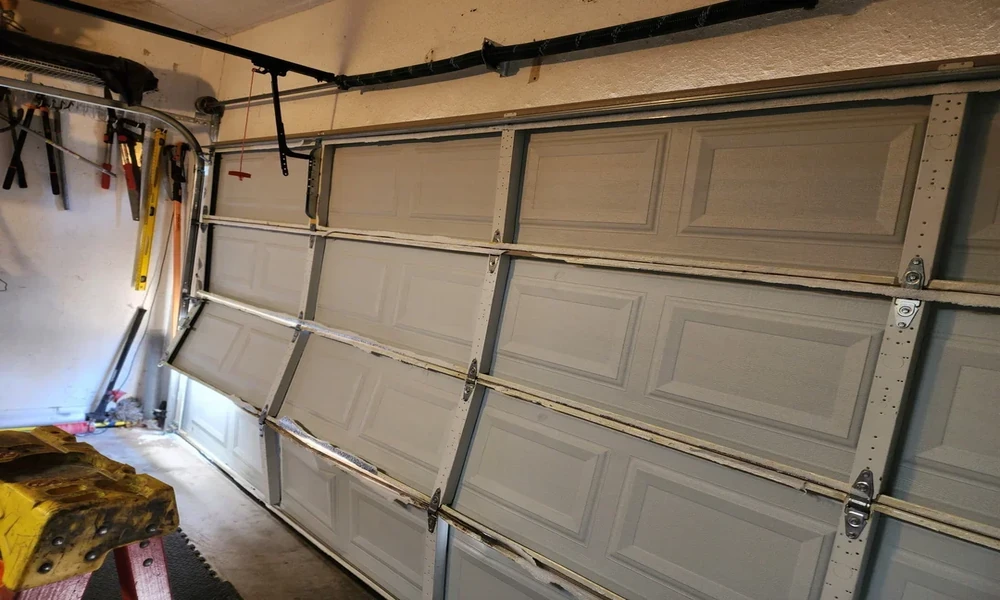
When the underlying structure is compromised, repairs become stopgaps at best. If a crack or bend spreads or you notice shifting panels, it’s time to consider a full replacement, not another layer of paint or putty.
Myth #2: Garage Door Springs Are Easy to Replace Yourself
The internet is filled with DIY guides for spring repair, but few mention the risks. Torsion springs are under immense tension, and one slip can send metal flying with bone-breaking force. Even if you manage to swap out a spring, mismatched or poorly installed components can cause the door to slam shut unexpectedly.
If your garage door springs have failed, especially after years of service, this often means the entire lifting system is approaching the end of its safe lifespan. Don’t gamble with hardware designed to hold hundreds of pounds above your head. Professional assessment saves lives.
Myth #3: If the Door Still Moves, It Doesn’t Need Immediate Attention
Partial functionality is a dangerous illusion. Maybe the door shudders, hesitates, or only opens halfway. You get used to its quirks, but each new noise or erratic motion is the system’s way of warning you.
Unpredictable behavior often hints at deeper problems: frayed cables, failing openers, or sensors out of alignment. If the door sometimes sticks or reverses randomly, it’s a red flag for imminent failure. Faulty sensors can leave the door open to intruders, while erratic cables can make it drop suddenly, risking injury and car damage.
Myth #4: Rust and Peeling Paint Are Only Aesthetic Issues
Surface corrosion and chipped paint rarely stay on the surface. Rust weakens metal doors, making them more susceptible to bending or breaking under stress. On wooden doors, peeling paint exposes the material to rot and warping.
When rust or paint issues are limited to a small area, spot repairs might suffice. But if you notice spreading corrosion or multiple panels with deep wear, the entire system’s reliability is in question. At that point, a replacement is not about looks, it’s about safety and performance.
Myth #5: Repair Costs Are Always Cheaper Than Replacement
A band-aid approach to repeated breakdowns can turn your garage door into a money pit. Each repair visit adds up, and some problems, like warped tracks or recurring opener failures, never truly resolve.
Compare the numbers:
| Scenario | Estimated Cost per Incident | Annual Frequency | Annual Total | Five-Year Total |
|———————————-|—————————-|——————|—————|—————-|
| Minor repair (springs/cables) | $200 | 2 | $400 | $2,000 |
| Full replacement (one time) | $1,200 | 1 | $1,200 | $1,200 |
By year three, chasing after repairs can surpass the cost of a brand new, worry-free installation.
Myth #6: Garage Door Problems Are Just Inconvenient, Not Dangerous
A stubborn garage door is not just a hassle. Damaged or malfunctioning doors can slam shut unexpectedly, putting people and pets at risk of serious injury. There have been cases of broken springs sending the door crashing down with enough force to break bones or destroy vehicles.
Beyond accidents, a door that won’t close fully turns your garage into an open invitation for burglars. If your door is making loud clunks or visibly sagging, immediate professional evaluation is not just recommended, it’s critical.
Myth #7: All Garage Door Issues Can Be Fixed Without Professional Help
YouTube tutorials cannot replace years of experience or access to quality, manufacturer-approved parts. Professionals go beyond surface-level fixes, checking for internal wear, identifying safety hazards, and installing robust replacements that last.
Expert servicing isn’t just about convenience; it’s about preventing future breakdowns, ensuring your warranty stays valid, and protecting your home’s value. Don’t trust the safety of your family to a guess or a temporary fix.
—
When the signs start stacking up, cracks multiplying, springs breaking, rust spreading, function faltering, it’s a clear message: your broken garage door may need much more than a quick patch. Ignoring the signals can cost you more in the long run, risking not just your wallet, but your safety and security. Know when it’s time to call in the pros and invest in a door that protects what matters most.