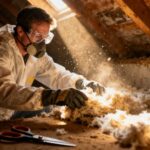
Planning a home renovation is often an exciting prospect, bringing new life and functionality to a living space. However, for homes built before 1990, this excitement can be overshadowed by a hidden danger: asbestos. This naturally occurring mineral was once a popular building material due to its strength and heat resistance. It was incorporated into a wide array of products, from insulation and ceiling tiles to flooring and textured paints. The problem arises when these materials are disturbed, which is precisely what happens during renovation work. When asbestos-containing materials (ACMs) are cut, drilled, sanded, or broken, microscopic fibers can become airborne. Inhaling these fibers is a serious health hazard, potentially leading to severe respiratory diseases years down the line. Therefore, understanding the risks associated with asbestos is the first step in ensuring a safe renovation project.
Common Locations of Asbestos in Residential Buildings
Asbestos was used so widely that its presence can be found in many parts of an older home. It’s not just in the obvious places like attic insulation or old furnace duct wrap. You might also find it in:
- Cement siding and roofing shingles
- Textured paints and popcorn ceilings
- Vinyl floor tiles and the adhesive used to lay them
- Asbestos cement pipes and boards
- Gaskets and insulation in older appliances and heating systems
- Some types of artificial fireplace logs
Because these materials can be brittle and easily damaged, especially during renovation, knowing where to look is key.
Why Renovations Disturb Asbestos-Containing Materials
Renovations, by their very nature, involve altering the structure of a home. This often means cutting into walls, removing flooring, replacing roofing, or demolishing old structures. If asbestos-containing materials are present and haven’t been identified, these common renovation activities can easily release asbestos fibers into the air. For instance, drilling a hole for a new light fixture in a wall with asbestos-containing plaster or removing old vinyl floor tiles can create significant fiber release. The act of renovation itself is the primary trigger for asbestos exposure in homes. Unlike materials that remain undisturbed, renovation work actively breaks down and disperses these hazardous fibers.
The Prevalence of Asbestos in Homes Built Before 1990
While asbestos use began to decline in the 1970s, it wasn’t completely banned in many places until much later. This means that homes constructed up until the early 1990s have a significant chance of containing asbestos-containing materials. The exact prevalence varies by region and the specific building materials used during that era. However, if your home was built or significantly renovated before 1990, it is prudent to assume that asbestos may be present. This assumption guides the necessary precautions needed before any intrusive work begins, making pre-renovation testing a critical step for homeowners.
Identifying and Testing for Asbestos Before Renovation
Recognizing Asbestos-Containing Materials (ACMs)
Not every part of an older home is dangerous, but certain materials are much more likely to contain asbestos, especially if the house was built before 1990. Homeowners often wonder where to look or what to watch out for. Here’s where asbestos might show up:
- Ceiling tiles and popcorn ceilings
- Pipe insulation and furnace gaskets
- Floor tiles (especially 9×9 inch tiles) and their adhesives
- Plaster, drywall joint compounds, and some paints
- Siding, roofing shingles, and corrugated cement roofing panels
Sometimes, these materials look perfectly normal from the outside, and it’s hard to spot asbestos just by looking. When in doubt, it’s safest to assume older materials might contain asbestos until proven otherwise.
When and How to Conduct Professional Asbestos Testing
If you’re planning a renovation and have even a slight suspicion about asbestos, don’t try to sample materials yourself. Moving or damaging them is exactly what causes asbestos fibers to go airborne, and that’s when risk spikes. Instead, it’s recommended to bring in a qualified asbestos inspector. Here’s what happens during professional testing:
- The inspector surveys the property, focusing on areas scheduled for renovation.
- Small samples are carefully collected from suspect materials— using strict safety protocols.
- Samples go to a lab for analysis, often using Polarized Light Microscopy (PLM) or Transmission Electron Microscopy (TEM).
- A report is provided, showing which areas contain asbestos and what types are present.
Getting professional testing done is a step no homeowner should skip if there’s even a chance asbestos could be present, especially before remodeling.
Signs That Warrant Immediate Asbestos Assessment
Some warning signs mean you need to stop work and call in an expert before going any further. Watch for:
- Crumbling wall or ceiling materials, or visible damage to insulation
- Loose, flaky, or powdery tile adhesives and joint compound
- Deteriorating pipe wrappings or furnace insulation, especially if fibers are visible
- Pieces of building material that break apart easily with light pressure
If any of these show up during your pre-renovation walk-through, that’s asbestos alert time. It’s always better to pause and be safe than risk dangerous exposure for yourself and those around you.
Bottom line, it’s impossible to tell if something contains asbestos without proper testing. Let professionals handle the detective work—your health is worth it.
Health Consequences of Disturbing Asbestos During Renovations
Respiratory Risks and Long-Term Illnesses
When someone disturbs materials containing asbestos, tiny fibers can become airborne and end up in the lungs if inhaled. Breathing in asbestos fibers can cause severe health problems that may not appear until many years after exposure. There’s a real risk of developing conditions like lung cancer, asbestosis (which is a kind of scarring in the lungs that makes it hard to breathe), and mesothelioma, a very aggressive cancer mostly linked to asbestos. For more on specific health dangers and long-term impacts from inhaling these fibers, check out this resource on lung cancer and asbestos complications.
Latency Period and Challenges of Asbestos-Related Diseases
The illnesses caused by asbestos don’t usually show up right away. In fact, there can be a decades-long gap between the time of exposure and the onset of symptoms. This latency period makes it difficult for both doctors and patients to connect current symptoms with past asbestos exposure. Some challenges linked to these diseases include:
- Delay in accurate diagnosis
- Limited early warning signs, so the illness is often advanced before it’s noticed
- Difficulty in treatment, as asbestos-related lung damage can’t be reversed
This means people might not know they’re sick until much later, which is a big problem for early treatment or prevention.
Protecting Vulnerable Individuals from Exposure
Certain groups are especially at risk if asbestos is disturbed during home improvements. Children, the elderly, and anyone with pre-existing respiratory problems face a greater danger if they inhale asbestos fibers. Protecting these individuals involves:
- Keeping them out of the house during any renovation involving possible asbestos
- Sealing off work areas to prevent fibers from spreading
- Using certified professionals to handle testing and removal, instead of trying to do it yourself
Giving priority to the safety of vulnerable people, along with limiting any disturbance of potential asbestos-containing materials, is key to keeping everyone healthy during renovation projects.
Safe Strategies for Managing Asbestos Home Renovation Risks
When planning home renovations, especially in older properties, addressing potential asbestos is a top priority. Disturbing materials that contain asbestos can release tiny fibers into the air, which can cause serious health problems if inhaled. Therefore, having a clear plan for managing these risks is not just advisable, it’s necessary for the safety of everyone involved.
Professional Removal Versus Encapsulation Methods
There are two primary approaches to dealing with asbestos-containing materials (ACMs): removal and encapsulation. Removal involves completely taking out the asbestos material and disposing of it properly. This is often the preferred method when the ACMs are in poor condition or will be significantly disturbed during the renovation. Encapsulation, on the other hand, involves sealing the asbestos material to prevent fiber release. This can be done by painting over it, covering it with a sealant, or enclosing it within a protective barrier. The choice between removal and encapsulation depends on the type and condition of the ACM, its location, and the scope of the renovation project. Consulting with a qualified asbestos professional is key to determining the most appropriate strategy for your specific situation.
Safety Measures During Asbestos Abatement
Asbestos abatement, whether it involves removal or encapsulation, requires strict safety protocols. Professionals will typically set up containment areas using plastic sheeting and negative air pressure systems to prevent fibers from spreading to other parts of the house. Workers involved in the abatement process must wear specialized protective gear, including respirators. Air monitoring is often conducted before, during, and after the abatement to confirm that fiber levels are within safe limits. Following these procedures helps to minimize exposure risks significantly.
Understanding Regulatory Compliance and Licensing
It’s important to be aware that asbestos regulations vary by location. In many areas, specific licenses and certifications are required for individuals and companies performing asbestos abatement. These regulations are in place to protect public health and the environment. Homeowners should always verify that the professionals they hire are properly licensed and follow all applicable local, state, and federal guidelines. This ensures that the work is done correctly and legally. For instance, engaging a certified asbestos abatement company that adheres to CNESST standards is a good practice.
Selecting Qualified Asbestos Abatement Professionals
Picking the right people to deal with asbestos in your home isn’t something to rush. Mistakes can put your health—and your home—at real risk. Here’s how to make sure you’re choosing professionals who know what they’re doing, keep you safe, and follow the rules.
Essential Credentials and Certifications to Look For
Any company handling asbestos must have up-to-date licensing and certifications required by local laws. This isn’t just paperwork—without proper credentials, there’s no proof they really understand how hazardous asbestos can be.
Look for these basics:
- State or provincial certification for asbestos abatement
- Proof of regular training for workers (ask if they’ve taken recent refreshers)
- Evidence of liability insurance specifically for asbestos work
- Documentation showing they follow government safety and disposal rules
Don’t be shy about asking for copies. Qualified pros expect these questions.
Vetting a Contractor’s Track Record and Safety Standards
Proper asbestos removal only works if the people doing it are careful and thorough. You want a team with a solid track record—not just slick marketing.
A good contractor should:
- Provide references from past asbestos abatement jobs (not unrelated work)
- Explain their safety procedures, including how they seal off work areas and handle waste
- Use air quality monitoring (before, during, and after the job)
Ask about how they handle accidents or unexpected findings. If they dodge your questions or give vague answers, it’s a red flag.
Questions to Ask Before Hiring an Asbestos Removal Service
A little homework pays off here. Before signing anything, try asking:
- Are you certified for asbestos abatement in my state?
- Can you walk me through your process, start to finish?
- What kind of insurance do you carry?
- How will you keep my family (and my neighbors) safe during the work?
- Where will the asbestos waste end up?
- Will you do post-removal air testing to confirm the area is safe?
One final note: Never hire anyone willing to do the job on the side or without proper paperwork. It’s not worth the risk, even if it seems cheaper or faster. When it comes to asbestos, professional means by the book, every time.
Preventive Measures and Ongoing Risk Management
After addressing asbestos concerns, maintaining a safe living space requires ongoing attention. This isn’t a one-time fix; it’s about establishing practices that keep your home healthy over the long term. Think of it as part of regular home upkeep, just with a specific focus on potential asbestos hazards.
Routine Monitoring and Inspection Practices
Regular checks are key, especially if you opted for encapsulation rather than full removal. Over time, encapsulated materials can wear or get damaged, potentially re-exposing asbestos fibers. Homeowners should:
- Visually inspect encapsulated areas periodically for any signs of cracking, peeling, or damage.
- Be mindful of any new concerns that arise, such as water damage or structural shifts, which could affect encapsulated materials.
- Keep records of any previous asbestos testing or abatement work performed on the property.
Consistent vigilance helps catch potential issues early.
Educational Resources and Community Support
Staying informed is your best defense. Knowledge about asbestos risks and safe practices empowers you to make better decisions for your home and family. There are many avenues for this:
- Consulting information from reputable sources like government health departments or environmental agencies.
- Engaging with online forums or local groups focused on home safety and asbestos awareness can provide shared experiences and advice.
- Understanding the latest guidelines and regulations related to asbestos management is also important. For instance, organizations like the Asbestos Disease Awareness Organization offer valuable insights into current findings and advocacy efforts.
Guidance for Maintaining a Safe Post-Renovation Environment
Once renovations are complete and any asbestos issues have been professionally managed, maintaining that safety is paramount. This involves:
- Keeping detailed records of all asbestos testing, abatement, and disposal activities. This documentation is vital for future reference and potential property sales.
- Educating all household members about the history of asbestos management in the home and any ongoing precautions.
- Knowing when to call professionals again. If any future renovations are planned or if you notice new material that seems suspect, don’t hesitate to seek expert advice before disturbing it.
Cost Considerations in Addressing Asbestos Home Renovation Risks
Dealing with asbestos in a home renovation isn’t just about safety—cost is a big part of the equation, too. Many homeowners find themselves surprised at how these expenses add up, especially when unexpected materials turn out to contain asbestos. Understanding the typical costs involved and making a plan ahead of time can help you avoid major stress down the road.
Breaking Down Testing and Removal Expenses
The price of asbestos services can vary a lot, depending on where you live, the size of your house, and how much material needs to be checked or removed. Here’s what to expect:
- Testing fees: Asbestos testing often falls between $230 to $789, and costs can increase if more samples are needed or if your home is tough to access.
- Removal charges: Professional removal might range from $1,200 to $3,000 for a small job. For larger projects, like whole-home remediation, costs can start around $5,700, depending on house size and material type. For more about pricing, see whole-home asbestos remediation.
- Disposal and permitting: There may be extra fees for safe waste transport and local permits, something many don’t factor in at first.
If you budget for testing and possible removal right from the start, you can handle surprises without derailing your plans.
Long-Term Value of Asbestos Abatement Investments
Paying for asbestos abatement can feel expensive up front, but there are some benefits that go beyond just safety:
- Increased property value—buyers want peace of mind that their home is asbestos-free
- Fewer health risks, which means less worrying about future medical bills
- Compliance with regulations, avoiding potential fines or legal problems
Even though the bill can be steep, many homeowners feel it’s worth it to avoid headaches later on—and sometimes, renovated spaces are more comfortable once old and risky materials are gone.
Budgeting Tips for Homeowners Planning Renovations
It’s easy for costs to get out of hand during a renovation—especially when asbestos is involved. Some ways to manage your money:
- Get several quotes from certified contractors before starting.
- Ask your contractor to separate testing and abatement costs in their estimate.
- Set aside a contingency fund (10–20% of your budget) for unforeseen expenses.
- Prioritize urgent areas—address high-risk zones first if the budget is tight.
Planning ahead is the best way to keep expenses under control. In the end, investing in safe, thorough asbestos handling is an important part of home renovation—so factor it in early, and you’ll be more confident throughout each step of the project.