Every few winters, a cold front pushes deep into the Nature Coast. One January morning the thermostat reads 41 degrees outside, and a lot of homeowners hear their heating system for the first time in months. Some of those systems are heat pumps. Others are straight cool air conditioners with electric heat strips in the air handler. On a hot afternoon in July you can’t tell them apart. The difference shows up in winter, on the electric bill, and in how long each system lasts.
Homeowners between Inverness and Williston who are weighing that choice often call Rainbow Lakes AC. It’s a Dunnellon family business that a father started in 1978 and that his son, Brian Lucas, runs today. The licensed crew repairs and replaces central air, heat pumps and ductless mini-splits for homes and businesses in Citrus, Marion and Levy counties. Hearing a tech explain both options side by side usually makes the decision much easier.
Two Machines That Look Like Twins
A straight cool system does one job. Refrigerant picks up heat inside the house and releases it through the outdoor condenser. For winter, most Florida installers add a heat kit to the indoor air handler. That’s a set of resistance coils that glow hot like the elements in a toaster.
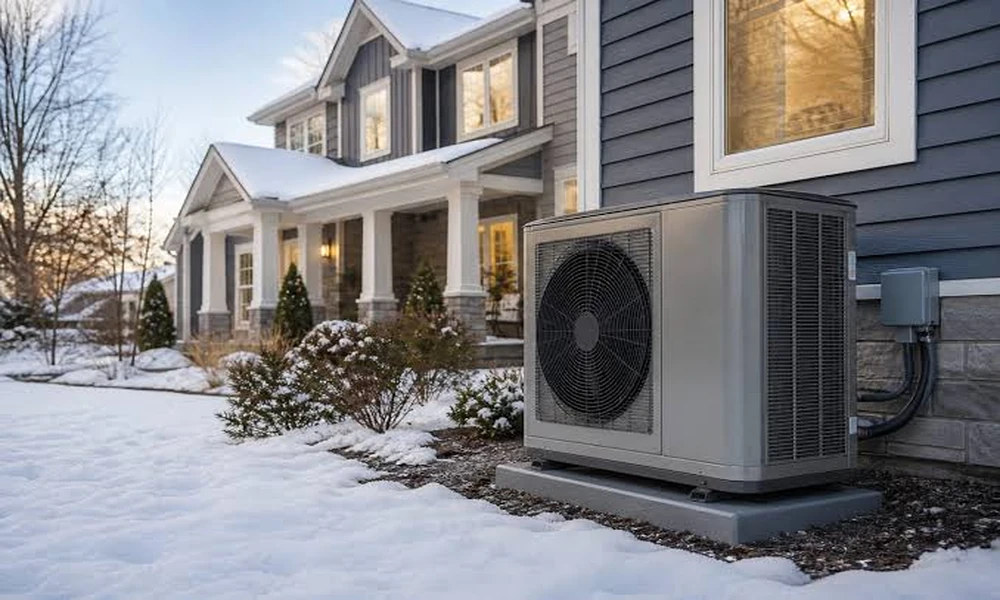
A heat pump uses the same outdoor box, coil and compressor, with one extra part called a reversing valve. In winter the valve flips the refrigerant’s direction, so the system pulls warmth out of the outdoor air and releases it inside. Even 40-degree air holds a surprising amount of heat. A defrost control and a few sensors complete the setup. Most heat pumps still carry a small backup strip for the coldest hours.
That small hardware difference changes how much each system costs to run once the weather turns cold.
Where the Money Actually Goes
Resistance heat is simple. Every kilowatt it draws becomes about one kilowatt of heat. A 10 kW heat kit running hard on a cold night pulls as much power as several window units together.
A heat pump moves heat instead of making it. The ENERGY STAR guidance on air source heat pumps says these systems can deliver up to three times more heat energy than the electricity they use. In mild weather a heat pump might warm the same house for a third to half of what the strips would cost.
Heating season here is short, though. Many households run heat on only a few dozen days a year. If you rarely touch the heat, a straight cool system’s lower price can make up for its weaker winter efficiency. The math changes for people who keep the house at 72 all winter. It also changes for retirees who are home all day, and for anyone with a cool, shaded lot under live oaks.
Upfront cost is usually close. A heat pump typically runs a bit more than a matching straight cool system because of the reversing valve and defrost parts. The gap is often smaller than people expect.
Winter Habits That Trip People Up
Heat pumps behave differently from strips, and that surprises people the first time. These are the three things owners ask about most.
- The steam cloud. On damp, chilly mornings the outdoor unit goes into defrost. The fan stops, and a puff of vapor rolls off the coil. That’s normal. The system is melting frost so it can keep pulling heat.
- Lukewarm air from the vents. Heat pump air often comes out around 90 to 95 degrees. That feels cooler on your hand than the scorching air from strips, even though the house is warming.
- Big setbacks backfire. Dropping the thermostat to 62 overnight and then bumping it to 72 at dawn tells many thermostats to call for auxiliary heat. That means the expensive strips do the work. Small, steady changes keep the heat pump in its efficient range.
None of these points to a problem, but each one leads to a service call when nobody explains it at installation.
Summer Is Still the Main Event
Cooling performance is the same between the two. Both systems are rated by SEER2. New central systems sold in the Southeast now have to meet regional minimums that are stricter than those for the northern states. Homeowners can choose single-stage, two-stage or variable-speed compressors in either style.
Humidity matters more than the label suggests. A system that’s too big chills the house fast and shuts off before it pulls enough moisture out of the air. That leaves the house cold and clammy, and around the Rainbow and Withlacoochee rivers it can mean musty closets. Proper sizing starts with a Manual J load calculation based on your windows, insulation, shade and attic. A tech who measures before quoting is a better sign than one who matches the tonnage of the old unit.
Salt, Sand and Year Round Duty
There’s a fair argument on the straight cool side. A heat pump runs in both seasons, so it builds up more compressor hours each year. Homes near the Gulf in Homosassa, Crystal River or Inglis also get salt-laden air that corrodes outdoor coils on any system. Coated coils, a rinse with plain water a few times a year, and twice-yearly checkups help either type last longer.
In practice, well-maintained heat pumps in this climate often last about as long as straight cool units. Short winters mean the extra wear is modest. Neglect does far more damage than the reversing valve does.
The Refrigerant Shift Behind Every New Quote
Anyone replacing a system now runs into a change the industry has spent several years working through. Equipment that uses R-410A has given way to new refrigerants such as R-454B and R-32. Under federal rules these lower the global warming impact. New systems are built around these mildly flammable A2L refrigerants, so they have extra leak sensors and safety controls.
For homeowners, the practical result is that mixing old and new parts doesn’t work well. Replacing only the outdoor unit with a new refrigerant system usually means the indoor coil has to change too. That pushes many people toward replacing the whole system, and that’s the natural time to switch from straight cool to heat pump.
When Neither One Fits the Room
Some spaces don’t suit either central option. A converted garage, an enclosed lanai, or an addition that the original ducts never reached will usually stay too hot or too cold. A ductless mini-split solves that. It’s a heat pump at heart, with one or more wall-mounted heads that each have their own controls. It skips duct losses in a hot attic, and it lets a sunroom run cooler than the bedrooms without fighting the main thermostat.
Making the Call
A straight cool system still makes sense for a seasonal home that sits closed up in winter, for a house with a working gas furnace, or for a budget that needs the lowest price today. For most full-time households in a mild winter climate, the heat pump pays for itself in quiet ways. You see it in lower January bills, less strain on the panel during cold snaps, and the same strong summer cooling you already expect.
The best choice depends on how you actually live in the house, so walk through your winter habits, insulation and comfort complaints with a licensed contractor before you decide.