Why Do People Remodel?
Shower areas are heavily used in bathrooms and are often the first section to start appearing worn. Signs include cracked grouting, stained tiles, leaking glass panels and low water pressure. Renovating can improve the safety and comfort of the space. People may want to give their shower a spa feel, or simply improve ease of use in later life. Due to dependencies, they should consider their design, materials, fittings and waterproofing together.
Choosing the Layout
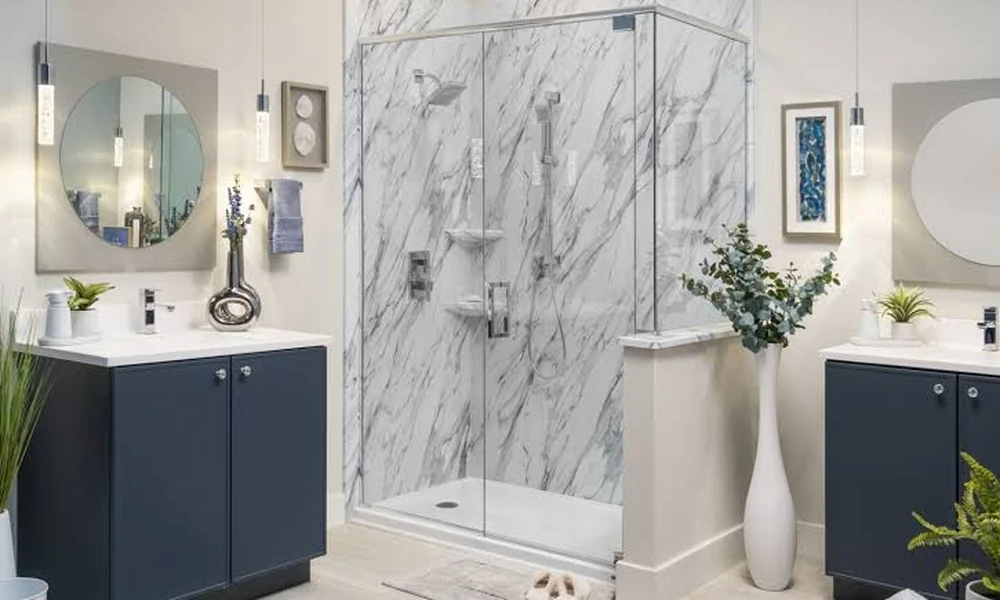
Depending on space available and pipework in place, one can have a corner shower, a 3-walled alcove shower or open showers with either glass panels or no doors. If the drain and supply pipework can be matched to the existing pipework in place, it will help in saving money. However, if there is a need to move these pipe works, it may be required to cut through floors/walls, increasing costs and the length of the project.
Consider the entrance. Having a traditional threshold shower will stop water escaping. However, having zero or low threshold showers provides a neater look. They are easier to get in and out of, particularly for people with limited mobility. However, careful slope must be considered in flooring, and waterproofing put in place. The decision for this should be made early on.
Materials And Waterproofing
Porcelain and ceramic tile are commonly used in showers as they resist water. Many styles are available. Natural stone has a nice aesthetic, but requires regular sealing. Large tiles reduce the number of grouting lines, meaning they are easier to clean. However, to learn more about this, compare the different options by visiting a showroom, looking up maintenance for each product from the manufacturers, and speaking to installers to see how well they perform in practice.
Waterproofing is very important. In order to prevent mould and rot in the structure, a waterproof membrane or back-panelling should be made behind the tiles. The floor should slope into the shower drain (typically around 1/4inch per foot) to avoid water pooling. If errors occur in this stage, they can be very costly to correct. Many people will therefore test their shower with water filled in the shower pan and check for water leakage before tiling.
Fixtures and Features
- Shower Heads: Rain shower heads, handheld shower heads or multiple body shower jets. Thermostatic valves allow for constant temperatures. Water Sense labelled shower heads only use 2.0 gallons of water per minute, reducing water consumption.
- Storage & Comfort: Niche areas allow storage of bottles in the shower without cluttering the floor. Benches provide great comfort.
- Safety: To ensure grab rails are secure, blocking must be properly inserted into the wall. Small mosaics and/or textured surfaces provide grip.
- Glass: Tempered safety glass can be used in showers to create a framed, semi-framed or completely frameless shower. Depending on the style, there are different costs involved and levels of maintenance required.
Permits, Ventilation and Budget
Ensure the installation has a sufficient extractor fan. Fittings must be suitable for damp areas. In some areas, any changes to pipework/plumbing may require permissions. Speak to a local building department early on to avoid delays. Ask a number of licenced, insured builders for written quotes. Be very specific on what is included in the works. It can be good to leave some buffer in your budget as there can be unexpected issues within walls. Depending on the complexity of the work, this change can take between a few days and a few weeks.
Final Thoughts
It is most important to focus on the waterproofing, design and safety. Once these have been considered correctly, one can focus on style. Ask the local building department, or learn more at impartial consumer sources to help find reliable builders.