Few home upgrades pay for themselves as quietly, or as consistently, as a new water heater. It sits in a closet or a garage corner, rarely inspected until something goes wrong, yet it works around the clock to keep showers warm and dishwashers running. For homeowners with an aging unit, that quiet workhorse may also be a quiet drain on monthly finances.
Aging Systems Waste Energy and Money
A water heater rarely fails all at once. It slips instead, giving up a little ground every year it stays in service. Mineral deposits collect along the interior of the tank, the surrounding insulation thins with age, and the heating components have to push past their original limits just to reach a temperature they once hit without any strain. None of that shows up as a single dramatic problem. It shows up on the utility bill, as the unit quietly asks for more power to keep pace with a job it used to handle with ease.
Homeowners often notice the effects before they understand the cause. Utility bills creep upward, the water takes longer to heat, and the unit runs almost continuously during busy mornings. These are not signs of normal wear that can simply be ignored. They are signals that the system is working harder than it should, and that extra effort is reflected directly in monthly costs.
Modern Systems Lower Utility Costs
High-efficiency water heaters are built around a different premise: use less energy to do the same job, or a better one. Improved insulation keeps heat from escaping the tank. Advanced burners and heating elements respond more precisely to demand instead of running longer than necessary. Tankless models take the concept further, heating water only when a faucet or appliance calls for it, rather than maintaining a full tank of hot water at all hours.
The financial benefit shows up gradually but steadily. A household that upgrades from an outdated unit to a modern, high-efficiency model typically sees its energy costs decline within the first billing cycles after installation. Over time, those monthly savings add up to a meaningful return on the initial investment, particularly for larger households where hot water demand is constant.
Comfort improves alongside the savings. Modern systems recover faster after heavy use, maintain steadier temperatures, and rarely leave someone waiting for a hot shower after a load of laundry has run. That combination of comfort and lower cost is part of why plumbing professionals increasingly recommend replacement over repeated repairs once a unit reaches the later years of its expected lifespan.
Efficient Heating Reduces Environmental Impact
The environmental case for upgrading is just as compelling as the financial one. Water heating accounts for a substantial share of a home’s total energy use, and inefficient systems waste much of that energy as heat loss rather than usable hot water. A high-efficiency unit narrows that gap, drawing less power or fuel from the grid or utility line to accomplish the same task.
That reduction matters on a larger scale too. As more households replace outdated systems with efficient alternatives, the cumulative effect on regional energy demand becomes noticeable. Utilities in many areas now offer rebates or incentives for efficient water heater installations, recognizing that reduced household consumption benefits the broader energy system as well as the individual homeowner.
Choosing a Trusted Installer Matters
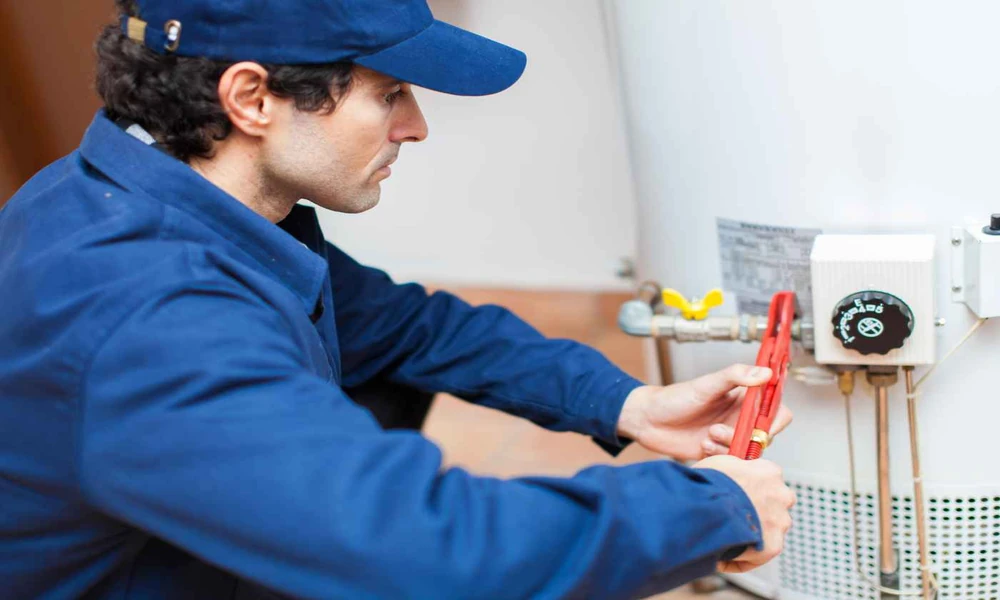
Selecting the right unit is only part of the equation. Proper installation determines whether a high-efficiency water heater actually performs at the level its rating promises. Incorrect sizing, poor venting, or subpar connections can undercut even the best equipment, leaving homeowners with disappointing results despite paying for premium technology.
This is why working with an established, licensed provider makes such a difference. Companies with a long track record of plumbing work, such as Airco, bring the experience needed to evaluate a home’s specific hot water demands and recommend a system suited to its layout and household size. That kind of guidance helps ensure the upgrade delivers the comfort and savings it was meant to provide, rather than becoming another source of frustration.
Replacing a water heater is rarely an exciting purchase, and it is not one homeowners make often. But for those staring down a system that is well past its prime, the decision to upgrade to a high-efficiency model offers a rare combination: lower monthly bills, a lighter environmental footprint, and the everyday comfort of hot water that is always there when it is needed.