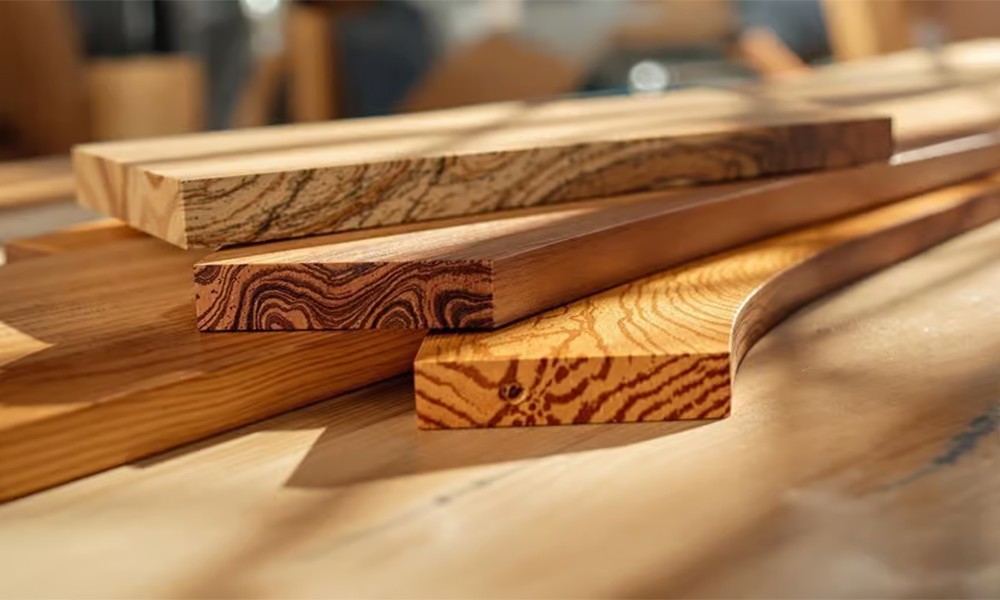
The label “wood furniture” covers a remarkably wide range of products. Two dressers sitting side by side in a showroom might both be described as wood, yet one could cost three times the other. The difference often comes down to construction. Solid wood and engineered wood serve different purposes and reward different priorities.
Understanding what each type actually is helps shoppers make smarter decisions. The cheapest piece isn’t always the worst choice. The most expensive piece isn’t always the best. Knowing what’s inside the furniture you’re buying matters more than chasing a label or a price point.
What Solid Wood Actually Means
Solid wood furniture is made entirely from natural lumber milled from trees. Each component, whether a tabletop or a chair leg, is cut from a single piece of timber or from boards glued edge-to-edge. Drawer fronts work the same way. The grain runs continuously through the wood. The thickness is uniform throughout.
The most common species used in furniture include oak and maple. Cherry and walnut are favorites for premium pieces. Pine fills the budget end of the market. Each has different properties. Oak is strong and widely available. Maple has a tight grain that resists denting. Cherry darkens beautifully with age. Walnut offers rich color and excellent stability. Pine is softer and more affordable but shows wear more readily.
Solid wood furniture can be sanded and refinished repeatedly over its lifetime. A well-cared-for solid wood dresser can last several generations. The piece develops character with age rather than wearing out.
What Engineered Wood Actually Means
Engineered wood describes a family of products manufactured by combining wood fibers and particles with adhesives under heat and pressure. Thin veneers are sometimes layered onto the surface to mimic the appearance of solid lumber. The result looks like wood from the outside but is technically a composite material.
Several different types fall under the engineered wood umbrella. Plywood is made by gluing thin sheets of wood together with the grain alternating between layers. Medium-density fiberboard, or MDF, is made by breaking wood down into fibers and pressing them into uniform panels. Particleboard uses larger chips of wood bound with resin. Each has different strength and appearance characteristics.
Higher-quality engineered wood furniture often combines materials. The carcass of a dresser might be plywood for stability, while the drawer fronts are MDF wrapped in a wood veneer that mimics solid lumber. The construction can look essentially identical to solid wood from the outside.
Reading the Fine Print
The actual materials used in a piece are sometimes harder to identify than you’d expect. Marketing language can blur the line between solid wood and engineered wood products. Phrases like “wood construction” or “wood frame” may technically include pieces that are mostly engineered.
This is where reading customer feedback becomes useful. Coleman Furniture reviews and similar customer write-ups often clarify what shoppers experienced when their pieces arrived. The reviewers may note whether drawer interiors are solid wood. They often mention whether back panels are plywood or hardboard. Many comment on whether the piece feels as substantial as the listing suggests.
This kind of detail goes well beyond what most product descriptions tell you. A few minutes of review reading can confirm whether a piece matches your expectations before you commit to buying.
Cost Comparison
Solid wood furniture costs significantly more than engineered wood for several reasons. Quality lumber is expensive. The labor involved in working with solid wood requires more skill and time. The shipping weight is higher. The yield from each board is lower because of natural defects that must be cut around.
A solid hardwood dresser in good quality construction might cost two to four times what a comparable engineered wood piece costs from the same retailer. The price difference reflects real differences in materials and craftsmanship rather than marketing markup alone.
Engineered wood furniture can be excellent value for the money. Modern manufacturing produces pieces that look beautiful and perform well at price points that would be impossible with solid wood. The trade-offs are different rather than universally worse.
Durability and Longevity
Solid wood is the clear winner for long-term durability when properly maintained. Pieces can be refinished if they get scratched or worn. The construction holds up to decades of use. Minor damage is usually repairable.
Engineered wood has different strengths and weaknesses. MDF and particleboard hold paint and veneer beautifully but cannot be refinished. Once the surface is damaged, the piece is essentially permanent in its current condition. Water damage swells the material in ways that cannot be reversed.
That said, well-made engineered wood furniture used in normal conditions performs reliably for many years. A plywood-built bookshelf can outlast cheaper solid wood made from low-quality lumber. Construction quality matters as much as raw material in determining how long any piece will last.
Where Each Material Makes Sense
Solid wood works best for pieces that get heavy use and that you intend to keep long-term. Dining tables. Bed frames. Heirloom dressers. These pieces benefit from the ability to refinish and repair. The investment pays off across decades rather than a single decade.
Engineered wood makes excellent sense for items where appearance and price matter more than multi-generational durability. Entertainment centers and office furniture often fall into this category. So do children’s bedroom sets that will be outgrown in a few years and apartment furniture for transitional life stages.
The same room can mix both materials thoughtfully. A solid wood dining table paired with engineered wood storage pieces creates a functional space without the cost of all-solid construction.
Common Myths to Avoid
Solid wood is not always better than engineered wood. The quality of construction matters more than the material category. A piece of poorly-made solid wood furniture can be worse than a well-engineered piece using composite materials.
Veneer is not a sign of cheap construction. High-quality veneer furniture has been made for centuries and can be extraordinary. The veneer allows beautiful woods like burl walnut or figured maple to be used in larger expanses than solid lumber would permit.
Heavy doesn’t always mean solid wood. Engineered wood can be heavier than solid wood of equivalent dimensions, particularly particleboard pieces with added cores. Weight alone tells you almost nothing about the material inside.
How to Make the Right Choice
Think about how the piece will be used and how long you plan to keep it. Pieces that will see heavy daily use over decades justify solid wood investment. Pieces that fill a need for the next few years can be engineered wood without compromise.
Read the product description carefully. Look for specific material descriptions rather than vague terms. Check customer photos for details that confirm or contradict the official descriptions. Match the construction to your actual needs rather than buying based on labels alone.
The Bottom Line
Both solid wood and engineered wood have legitimate places in modern furniture. Solid wood offers longevity and repairability. The pieces also develop character with age in ways that engineered wood cannot match. Engineered wood offers value and design flexibility. It also delivers excellent appearance at price points solid wood cannot reach.
The smart shopper chooses based on the specific piece and the specific use rather than treating either category as universally superior. Budget matters too. Furniture that matches the actual life of the buyer will always outperform furniture chosen for the label alone.