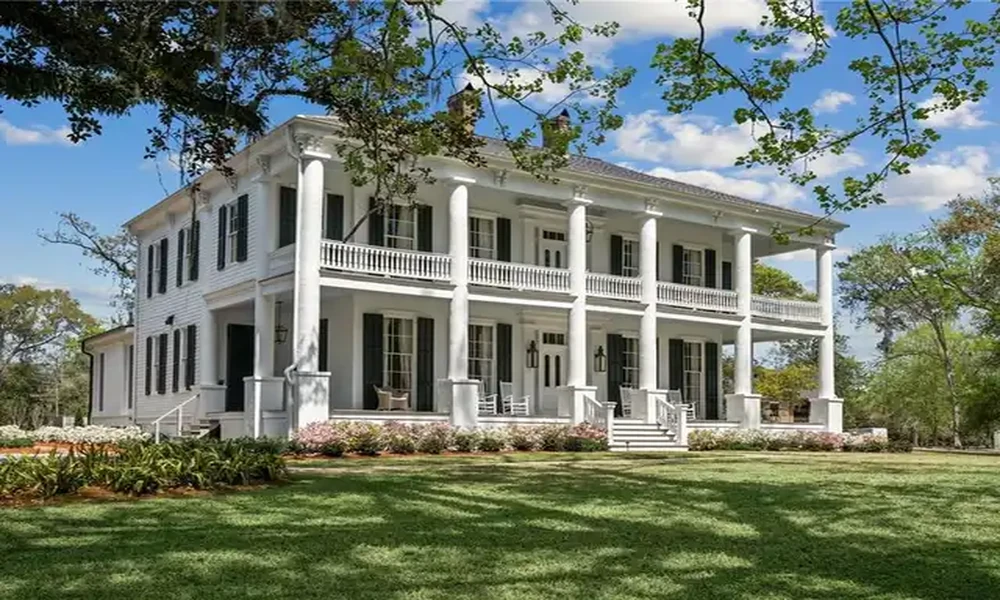
A lot of Covington’s rental housing dates back further than owners sometimes realize, and that history comes with specific maintenance obligations. Anyone hiring a Covington property management company should ask directly how that history actually gets handled.
Walk down almost any residential street in the area and the age of the housing stock becomes obvious fast, from the style of the roofline to the layout of the plumbing hidden behind the walls.
None of that is a problem by itself. It only becomes one when a manager treats a decades-old home exactly like a property built last year. This isn’t a reason to avoid older properties, either.
Why the Housing Stock Skews Older
Much of the area’s residential growth followed the completion of the Causeway Bridge in the late 1960s. That means a meaningful share of single-family homes in Covington were built during or shortly after that period.
What Older Homes Actually Need
- More frequent inspection of aging plumbing and electrical systems
- Closer attention to roofing and structural wear that newer builds haven’t yet developed
- A proactive maintenance schedule rather than a reactive, wait-for-complaints approach
Why Reactive Maintenance Fails Here
Waiting for a tenant to report a problem works reasonably well on newer construction, where issues tend to be rare and minor. It works far less well on a home with decades-old systems, where a delayed response can turn a small fix into a major one. Good Covington property managementbuilt around this reality tends to schedule inspections regularly rather than only responding when something breaks.
What Owners Should Ask a Property Manager
- How often are inspections actually scheduled, and what do they cover
- Is there a maintenance plan specifically for aging systems like plumbing, roofing, and HVAC
- How are unexpected repair costs communicated and approved
The Long-Term View
Older homes aren’t a liability if they’re maintained proactively. They become one when maintenance is treated as an afterthought, which is a mistake that costs considerably more in Covington’s housing stock than it would in a newer development.
Quick Answers
Are older homes automatically riskier to rent out?
Not if they’re maintained proactively. The risk comes from deferred maintenance, not the age of the home itself.
How often should an older rental home be inspected?
Quarterly inspections are a reasonable standard for catching issues before they become expensive.
What’s the most commonly overlooked maintenance item?
Aging plumbing and electrical systems tend to get overlooked until something fails outright.