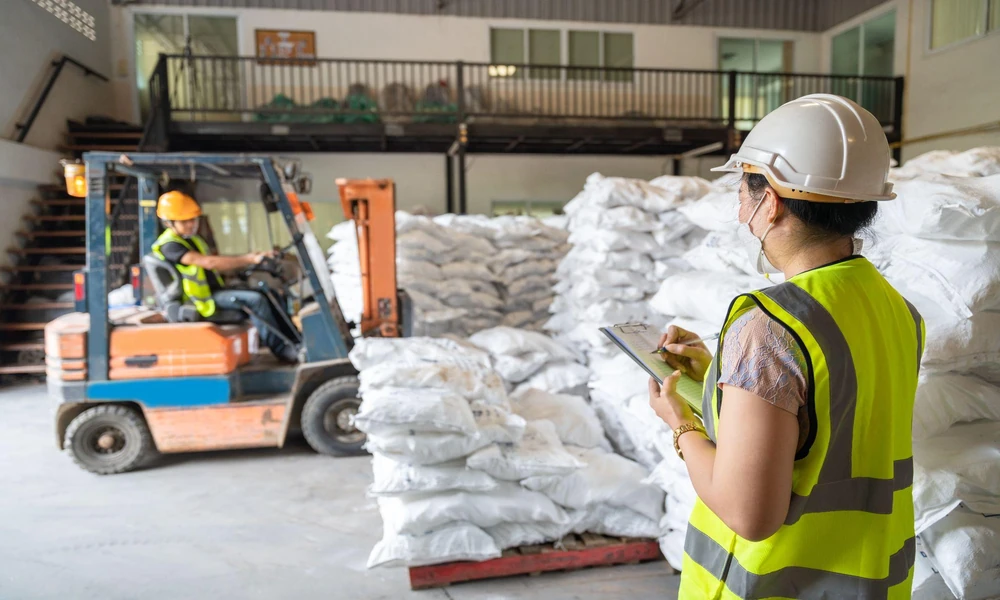
Ordering cement requires more than calculating an approximate quantity and arranging delivery. Contractors need to consider how much the project actually requires, when workers will use the material and whether the site can receive and store it correctly.
Before approaching a cement supplier in Singapore, project teams should review the practical conditions that can affect ordering, delivery and on-site handling. These seven factors can help reduce avoidable wastage, shortages and coordination problems.
1. How Much Cement Does the Current Work Stage Require?
Start with the requirements of the specific construction stage rather than the total project alone. Different activities may use cement at different rates, and ordering the full estimated quantity too early can create unnecessary storage pressure.
Contractors should calculate demand from the latest drawings, work quantities and approved mix requirements where applicable. They should also consider reasonable allowances for normal site variation without inflating quantities unnecessarily.
Clear quantity information allows cement suppliers to discuss availability and delivery arrangements more accurately.
2. When Will the Cement Actually Be Used?
The delivery date should align closely with the construction programme. Cement that arrives long before workers need it occupies storage space and remains exposed to site conditions for longer.
Project teams should identify the planned start date for the relevant work and estimate how quickly crews will consume each delivery. Where activities extend across several weeks, phased ordering may suit the site better than receiving one large quantity.
A cement supplier in Singapore will also need sufficient notice to arrange the requested volume, particularly when several deliveries must follow a specific sequence.
3. Is There Enough Suitable Storage Space?
Cement requires dry, protected storage because moisture can affect its condition before use. Contractors should check whether the site has a covered area that keeps bags away from direct water exposure and damp surfaces.
Storage capacity also determines how much material the team can reasonably accept at one time. Large orders may create congestion if pallets block access routes or work areas.
Teams should therefore match delivery quantities to available storage rather than treating larger deliveries as automatically more efficient.
Preparation Checklist Before Ordering
Confirm these details before sending the purchase request:
- verify the required cement type and approved specification;
- calculate the quantity needed for the upcoming work stage;
- confirm the intended delivery date and acceptable delivery window;
- check that dry, covered storage space is available;
- identify vehicle access and unloading restrictions;
- confirm who will receive and inspect the delivery;
- record the supplier contact responsible for order changes.
Completing these checks gives the project team a clearer order brief and reduces last-minute coordination.
4. Which Cement Specification Does the Project Require?
Different construction activities may require specific cement types or grades according to the project specification. Procurement teams should confirm the approved requirement before placing an order.
Contractors should avoid substituting materials based only on immediate availability. If an alternative becomes necessary, the relevant project party should review and approve it before use.
When comparing cement suppliers, teams should provide precise specifications so suppliers can confirm whether the requested product matches the order rather than relying on a general description.
5. Can Delivery Vehicles Access the Site Easily?
A correct order can still cause delays if the delivery vehicle cannot reach the unloading area. Construction sites may have restricted entrances, limited turning space or scheduled delivery windows.
Site managers should communicate access requirements when arranging the order. They should also confirm whether traffic management, security clearance or coordination with other deliveries will affect arrival times.
For urban projects, these restrictions can influence the suitable vehicle size and delivery sequence, so contractors should discuss them with the supplier before confirming the schedule.
6. Does the Site Have Enough Labour and Equipment for Unloading?
Delivery planning should include what happens after the vehicle arrives. Workers, pallet-handling equipment or other unloading arrangements need to be available at the correct time.
If the site cannot unload promptly, the delivery may interfere with other activities or remain in a temporary area longer than planned. Contractors should therefore coordinate receiving responsibilities with the site team in advance.
A cement supplier in Singapore may also have specific delivery or unloading conditions, so procurement teams should clarify these requirements before placing the order.
7. How Will You Handle Changes to Quantity or Timing?
Construction programmes can shift because of weather, preceding work or changes in site progress. Cement orders may therefore need adjustment after initial planning.
Project teams should understand the supplier’s process for changing quantities, postponing deliveries or requesting additional material. They should also confirm how much notice the supplier needs for amendments.
Keeping one authorised contact for order changes can reduce conflicting instructions and help cement suppliers respond to the latest confirmed requirement.
Order According to the Site Programme
Cement procurement works best when quantity, timing and delivery arrangements follow the actual pace of construction. Contractors should confirm storage capacity, access conditions and usage schedules before committing to an order.
Contact Chi Han Trading to discuss your cement requirements, confirm suitable quantities and coordinate deliveries around your project schedule and site conditions.