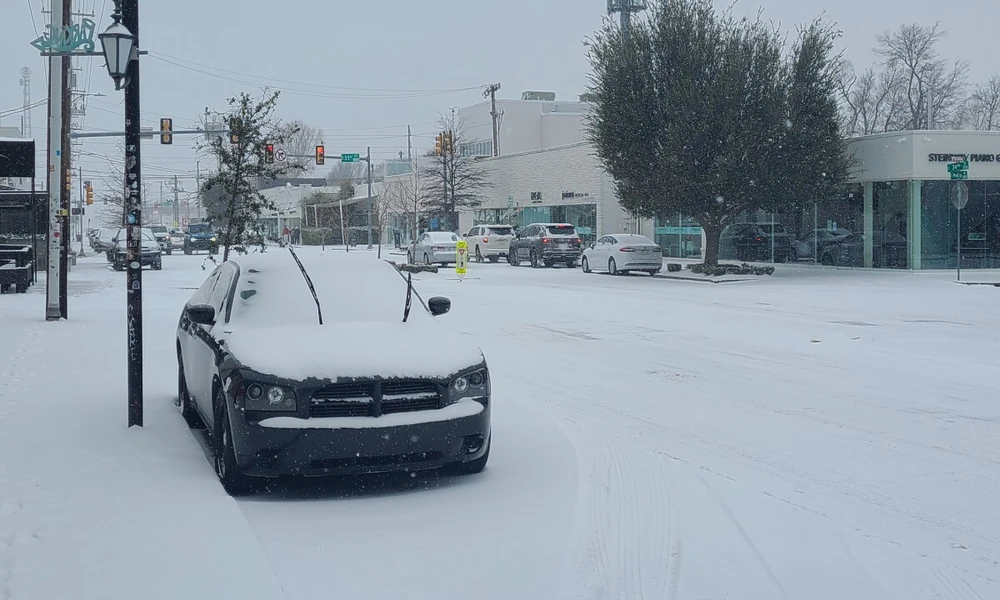
Tulsa faces some of the widest weather swings in the country. The city gets tornado season in spring, heavy storms through summer, and damaging ice in winter. In December 2007, an ice storm coated much of Oklahoma in more than an inch of ice and caused the worst power outage in state history, with more than 641,000 customers losing power at the peak and over 150,000 still without power a week later. Weather like this does more than damage property. It changes how and when pests try to get into homes.
Homeowners can plan for these swings with recurring service from palisadepest.com, timed to the seasons that push pests indoors. A treatment set up before winter or storm season protects a home when the weather turns, and pests look for shelter.
Why Cold Snaps Send Rodents Looking for Warmth
When temperatures drop fast, mice and rats move toward the warmth of homes. They slip through foundation gaps, utility openings, and torn weatherstripping, and they can use very small spaces. During an ice storm or a hard freeze, this push indoors happens quickly as outdoor shelter fails. A home that was clear in early fall can see rodents within days of a sharp cold snap. Sealing likely entry points before winter lowers this risk. A warm attic or wall void can shelter a nest of mice through the coldest weeks.
How Storm Damage Opens the Building Envelope
Ice, wind, and falling limbs damage the parts of a home that keep pests out. The 2007 storm brought down trees and limbs across the region, and statewide cleanup ran to more than 750,000 cubic yards of debris. Broken roof edges, cracked siding, and limbs resting against a house create new ways inside. Squirrels, rodents, wasps, and ants use this damage to reach attics and wall voids. Checking a home for new openings after a major storm helps close these gaps before pests find them. Even a small break at a damaged roofline can give squirrels and rodents an easy route into an attic. Palisade Pest Control sets up recurring visits that line up with winter cold and storm season. It checks the entry points that weather tends to open.
Why Displaced Wildlife Moves Toward Homes After a Storm
Severe weather disturbs the animals and insects living in nearby trees and brush. When storms destroy outdoor nests and cover, squirrels, mice, and rats look for the nearest shelter, which is often a damaged home. Wasps and ants relocate as well when their outdoor sites are torn apart. In the days after a big storm, homes near older trees see more of this movement. Prompt repairs and sealed openings keep displaced pests from settling in.
Why Spring Storms Bring a Second Wave
After winter passes, spring severe weather starts another cycle. Heavy rain saturates the ground and floods the outdoor nests of ants and other insects, which then move toward higher, drier ground inside homes. Wind and hail can reopen the same roof and siding gaps that winter created. Power outages shut off sump pumps and let basements and crawl spaces flood, which draws moisture pests. Each round of severe weather tends to send a new group of pests looking for shelter. Water left behind in a flooded basement can breed insects for weeks if it is not dried out.
Why Weather Extremes Call for Year-Round Readiness
Tulsa’s sharp seasonal shifts make year-round pest protection important. Ongoing service means a home is defended before the next freeze or storm, not after pests have already moved in. These situations call for timely treatment before changing weather increases pest activity and brings pests indoors.